
The evolution of casinos a journey through history and culture
The Ancient Origins of Gambling
The roots of gambling can be traced back to ancient civilizations, where it was often woven into the fabric of daily life. Archaeological findings reveal that the Chinese, as far back as 2000 BCE, were using rudimentary dice made from animal bones. Similarly, the ancient Egyptians engaged in gambling, using a variety of games that involved chance. These early forms of gambling were not only recreational; they often held cultural significance and were linked to religious practices, making them an integral aspect of ancient societies. Today, players seeking a premier online gaming experience can enjoy platforms like Lucky Nugget Casino, which captures that same spirit of chance.

As civilizations progressed, so did gambling. The Romans, in particular, made significant contributions to gambling culture, introducing games that would eventually evolve into modern casino games. They held public lotteries and hosted games of chance that attracted participants from all walks of life. This engagement fostered a community spirit around gambling, as people came together to partake in the excitement and thrill of chance. The influence of these ancient practices laid the groundwork for the sophisticated gambling establishments that would appear in later centuries.
Throughout history, gambling has transcended mere entertainment, becoming a reflection of societal values and economic conditions. In medieval Europe, for instance, gambling was often linked to social status. The nobility engaged in games of chance as a display of wealth and power, while commoners often had limited access. This division of access contributed to a burgeoning underground gambling culture, illustrating how gambling adapted to various societal norms and restrictions over time.
The Rise of Formal Casinos in Europe
The modern concept of the casino began to take shape in the 17th century in Europe, particularly in Italy. The first casino, known as the Ridotto, was established in Venice in 1638. This venue offered a structured environment for gambling, complete with rules and a variety of games. It was here that patrons could engage in card games, dice, and other forms of chance, all while enjoying the lavish ambiance that accompanied such establishments. The Ridotto set a precedent for future casinos, emphasizing the importance of creating an experience that was both entertaining and socially engaging.
As the concept of casinos spread across Europe, various countries began to adapt and transform the idea to fit their cultural contexts. In France, for example, the casino evolved further, offering not just games but also dining and entertainment, thereby enhancing the overall experience. The iconic Casino de Spa in Belgium, established in the 18th century, became a popular destination for European elites seeking leisure and excitement. These transformations highlighted how casinos were not merely places for gambling; they became hubs of social interaction, blending leisure with chance.
The proliferation of casinos during this period also reflected broader societal changes. The rise of the middle class in the 18th and 19th centuries made gambling more accessible to a wider audience. This democratization of gambling led to the creation of various gaming laws and regulations aimed at controlling the industry. As cities expanded and became more cosmopolitan, casinos became pivotal in shaping the nightlife and cultural scene, symbolizing both the allure and risks associated with gambling.
The American Casino Boom
The American casino scene began to flourish in the early 20th century, marked by the establishment of casinos in places like New Orleans and Las Vegas. The latter, initially a quiet desert town, underwent a dramatic transformation in the 1930s when gambling was legalized in Nevada. This pivotal decision paved the way for the development of lavish hotels and casinos that would become synonymous with American entertainment culture. The construction of the Las Vegas Strip in the 1940s and 1950s ushered in a new era of opulence and spectacle, attracting millions of visitors each year.
Las Vegas quickly evolved into a melting pot of different cultures and styles. The architecture of the casinos became increasingly extravagant, with themes ranging from Egyptian pyramids to Italian villas. The entertainment offered was also diverse, with shows featuring everything from musical acts to circus performances. This melding of gaming with entertainment made Las Vegas a unique destination, where the thrill of chance was accompanied by captivating shows and sumptuous dining experiences.
Throughout the latter half of the 20th century, other states began to follow Nevada’s lead by legalizing gambling. This resulted in the rise of casinos in Atlantic City and various Native American reservations, further diversifying the American casino landscape. With each new venue, the industry adapted to local cultures and regulatory environments, leading to a rich tapestry of gaming experiences that reflect the complexities of American society.
The Modern Casino Experience
Today’s casinos are dynamic environments that blend technology with tradition. The advent of online gaming has revolutionized how people engage with casino games. Players can now access a plethora of games from the comfort of their homes or on mobile devices, significantly broadening the reach of casino gaming. This shift has led to an increase in competition among casinos, prompting them to innovate continuously and enhance their offerings.
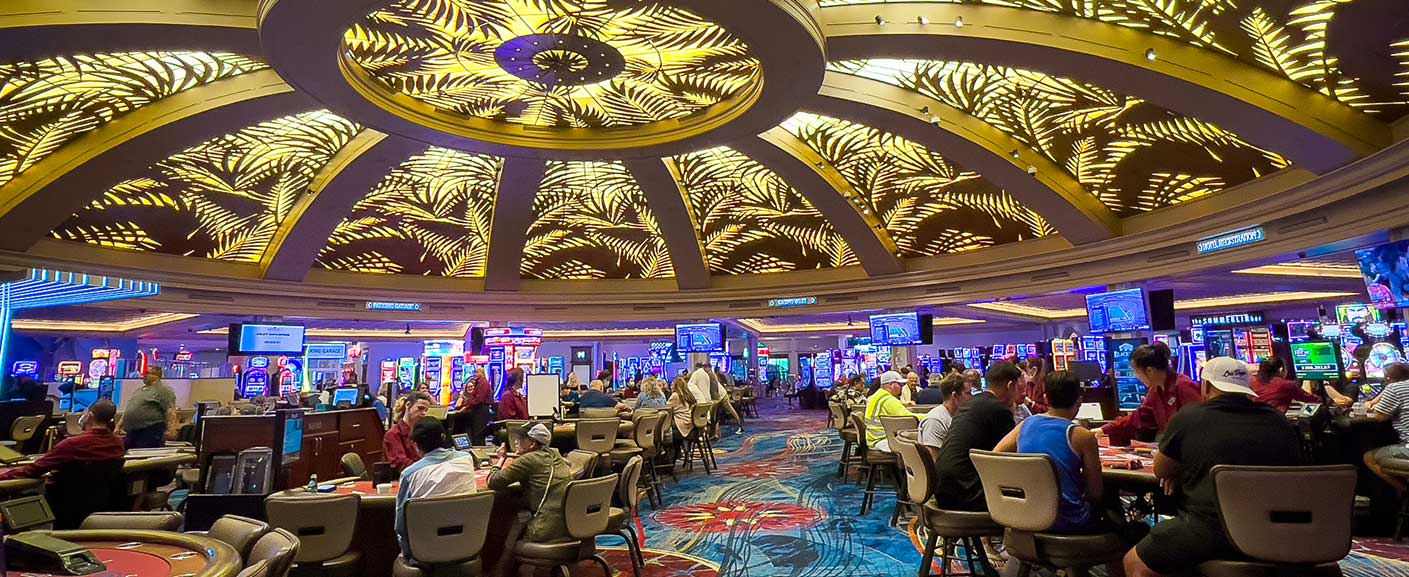
Many modern casinos also prioritize the customer experience, providing amenities such as luxury hotels, fine dining, and high-end shopping. The focus has shifted from solely gaming to creating an all-encompassing entertainment experience that attracts a diverse clientele. This evolution highlights how casinos have adapted to changing consumer preferences, aiming to create environments that cater to relaxation and socialization as much as they do to gambling.
Moreover, the incorporation of technology within casinos, such as cashless gaming and sophisticated security systems, has made gaming more accessible and secure. These innovations ensure that modern casinos not only meet the demands of a tech-savvy audience but also prioritize safety and user experience, reflecting the ongoing evolution of the industry in response to contemporary cultural trends.
The Cultural Significance of Casinos Today
Casinos today serve as cultural landmarks, often embodying the spirit and identity of the cities in which they reside. They attract millions of tourists and create jobs, contributing significantly to local economies. Additionally, casinos often host events, concerts, and festivals, further cementing their role as community hubs. This cultural integration underscores how casinos have transcended their original purpose, becoming vital contributors to social fabric and local culture.
Furthermore, the portrayal of casinos in popular media has influenced public perceptions and cultural narratives surrounding gambling. Movies, television shows, and literature often romanticize the casino experience, showcasing the thrills and dangers associated with gambling. These representations help shape societal attitudes towards casinos, reinforcing their allure and mystique while also drawing attention to the potential pitfalls of gambling addiction.
In this context, it is crucial to recognize the responsibilities that come with operating casinos. Many establishments engage in responsible gaming initiatives, educating patrons about the risks of gambling and offering resources for those in need. This focus on public welfare reflects a cultural shift toward acknowledging and addressing the complexities of gambling within modern society.
Embracing the Future of Gaming
As we look to the future, casinos are poised to continue their evolution, adapting to technological advancements and shifting cultural norms. The rise of virtual and augmented reality technologies promises to create even more immersive gaming experiences, allowing players to engage in ways that were previously unimaginable. These innovations will likely redefine the casino landscape, attracting a new generation of gamers and reshaping traditional gambling practices.
Additionally, the ongoing integration of artificial intelligence and machine learning in gaming platforms will enhance personalized experiences for players. Casinos will be able to tailor their offerings based on individual preferences, promoting customer loyalty and ensuring a more engaging gaming environment. This emphasis on personalization reflects broader societal trends toward customization in consumer experiences, bridging the gap between technology and human interaction.
In conclusion, the evolution of casinos is a remarkable journey through history and culture, revealing how these establishments have adapted and transformed over time. From their ancient origins to their modern incarnations, casinos continue to shape and reflect the societies they inhabit. As they move forward into an uncertain but exciting future, the interplay between tradition and innovation will undoubtedly define the next chapters in the rich story of casinos.
