
Gambling through the ages A journey of transformation and influence
The Origins of Gambling
Gambling has roots that stretch back to ancient civilizations, with evidence of dice games found in archaeological sites from around 3000 BC. Cultures such as the Egyptians and the Chinese incorporated gambling into their social rituals, often associated with fortune-telling and the casting of lots. These early forms of gambling were more than mere games; they were entwined with spirituality and societal norms, reflecting the human desire for luck and fortune. For those interested in modern gambling, you can explore https://www.google.com.my/url?q=https://pinupcasinobd.net/.
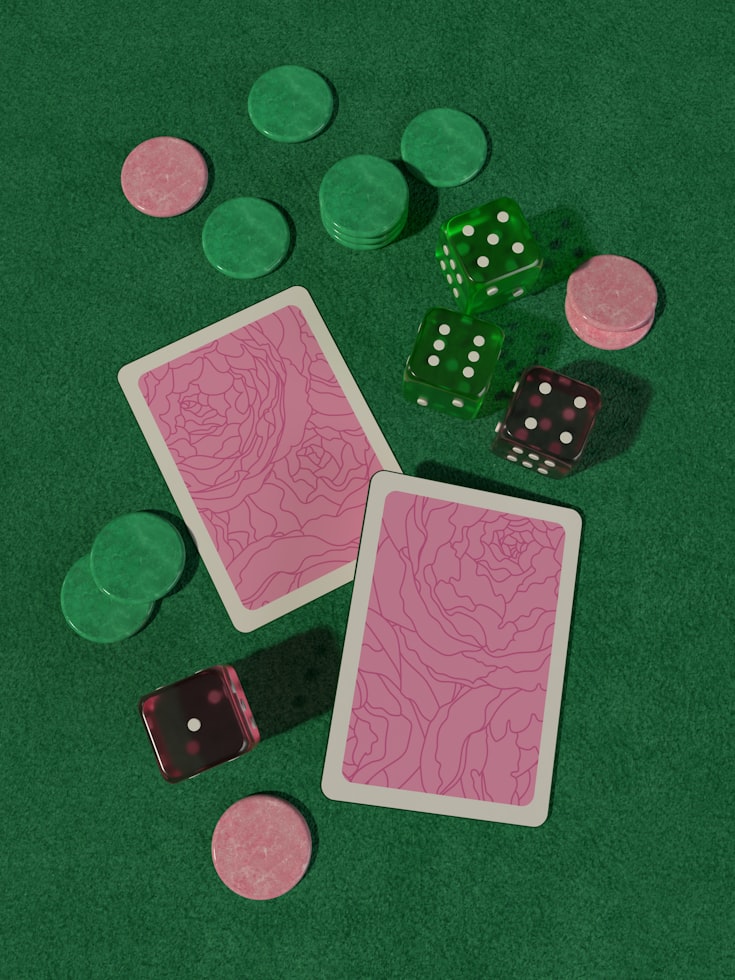
The introduction of gambling was not limited to games of chance. The Romans, known for their love of entertainment, established a variety of betting games that were integrated into their festive events. The popularity of these activities laid the groundwork for more structured forms of gambling, paving the way for the development of casinos in later centuries.
The Evolution of Gambling Practices
As societies evolved, so did gambling practices. The Middle Ages saw the emergence of card games in Europe, which quickly became a staple in social gatherings. The establishment of gaming houses marked a significant shift from informal betting to organized gambling. These venues provided a space where people could gather to play games of chance, thus fostering community bonds and a sense of camaraderie among participants.
By the 17th century, lotteries began to gain popularity as a means of raising funds for public projects. This era also witnessed the birth of poker in the United States, a game that would grow into a cultural phenomenon. The transformation of gambling practices highlighted a shift in societal attitudes, as gaming moved from the periphery to the forefront of leisure activities.
The Rise of Modern Casinos
The 20th century brought about a revolution in gambling with the establishment of modern casinos. Las Vegas emerged as the epicenter of this new era, where extravagant venues catered to a diverse clientele seeking entertainment and excitement. The glamorous image of casinos changed the perception of gambling, turning it into a mainstream activity and a significant contributor to the economy.
With the rise of technology, online gambling emerged in the late 1990s, providing unprecedented accessibility to players worldwide. Virtual casinos have since transformed the gambling landscape, offering a wide range of gaming options without the need for physical presence. This digital evolution has further influenced consumer behavior and expectations in the gaming industry.
The Cultural Impact of Gambling
Gambling has had a profound impact on culture and society, influencing art, literature, and even politics. From classic novels that explore themes of risk and fortune to movies that glamorize the casino lifestyle, gambling has woven itself into the fabric of cultural expression. Additionally, gambling has often been a topic of debate, touching on issues of morality, addiction, and economic impact. The popularity of venues such as the Pin Up Casino reflects this cultural significance as it merges modern entertainment with traditional gaming practices.
As societies continue to grapple with the implications of gambling, it remains a complex subject that reflects both the allure and dangers of chance. This ongoing dialogue has prompted governments to regulate the industry more closely, striving to strike a balance between individual freedoms and societal responsibilities.

Conclusion: Navigating the Modern Gambling Landscape
In today’s context, the evolution of gambling continues to unfold, with websites offering diverse gaming experiences that cater to different preferences. One such platform is the Pin Up Casino, which embodies the modern era of gambling, merging entertainment with cutting-edge technology.
As players navigate this digital landscape, it’s essential to understand the historical context and transformative nature of gambling. This awareness enriches the gaming experience, allowing individuals to appreciate the journey of transformation and influence that gambling has undergone throughout the ages.
